
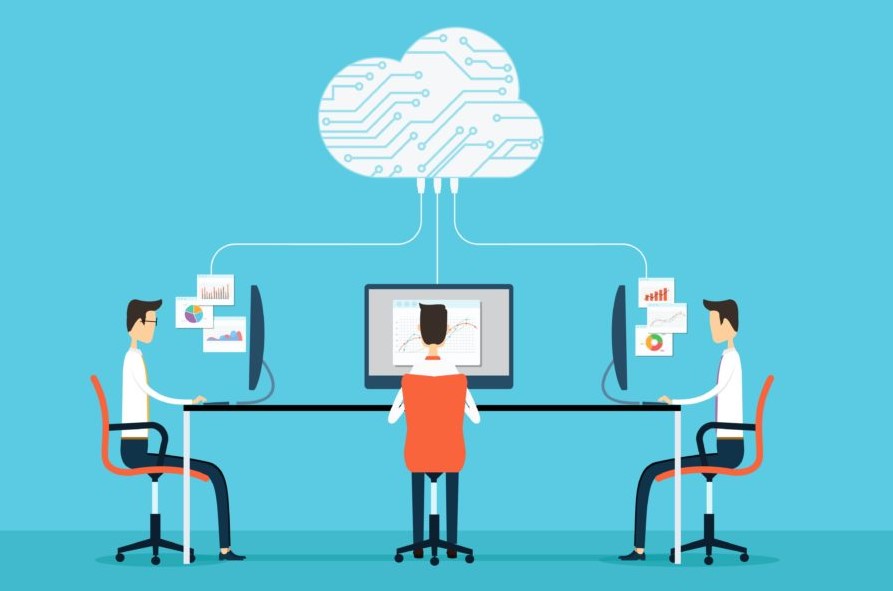
Learning management systems (LMS) have become an essential tool for businesses looking to effectively train and develop their employees. With the advent of technology, traditional training methods have taken a backseat, making way for online learning solutions that are flexible, efficient, and cost-effective.
LMS provide a platform for businesses to create, deliver, and track training content, enabling employees to access courses at their own pace and convenience.
In this article, we will explore the benefits of learning management systems for businesses, highlighting their importance in optimizing employee training and overall organizational performance.
Why Businesses Need Learning Management Systems
In today’s fast-paced, digital world, businesses are continually looking for ways to stay competitive and enhance their operations. One crucial aspect that has gained significant importance is employee training and development. Gone are the days of traditional classroom-based training; businesses now turn to learning management systems (LMS) to streamline and optimize their training efforts.
Let’s dive into why businesses should adopt learning management systems:
1. Improved Accessibility and Convenience
Traditional training methods often restrict employees to certain locations and specific time schedules. This limitation can be highly inconvenient, especially for businesses with multiple offices or remote workers.
Learning management systems enable employees to access training materials anytime, anywhere, using devices such as laptops, smartphones, and tablets. This flexibility ensures that employees can learn at their own pace, without disrupting their daily workflows.
2. Cost-Effective Training Solutions
With traditional training methods, businesses often incur substantial costs related to venue rentals, instructor fees, and printing materials. On the other hand, learning management systems offer a cost-effective approach to training.
These systems eliminate the need for physical classrooms, allow for self-paced learning, and reduce instructor-related expenses. Employees can access all the necessary learning materials online, saving businesses both time and money.
3. Centralized Learning and Tracking
Learning management systems provide a centralized platform for all training materials. Businesses can easily upload digital courses, videos, interactive quizzes, and other resources onto the LMS. This centralized approach ensures that employees have easy access to all the necessary training materials in one place.
Additionally, LMS platforms often incorporate tracking features, allowing businesses to monitor the progress of each employee, track completion rates, and identify areas that require improvement.
4. Enhanced Content Delivery
Learning management systems utilize various multimedia tools to deliver content in an engaging and interactive manner. Traditional training methods often rely on mundane presentations, making it challenging to keep employees engaged.
LMS platforms offer features such as videos, animations, infographics, and gamified quizzes, making the learning process enjoyable and effective. By incorporating multimedia elements, businesses can enhance knowledge retention and ensure employees grasp the information effectively.
5. Personalized Learning Paths
Each employee has unique skill sets, knowledge, and learning preferences. Traditional training methods might not cater to these individual differences effectively. Learning management systems allow businesses to create personalized learning paths for their employees.
These paths can be tailored based on an individual’s role, skill level, and career goals. By customizing the learning experience, businesses can ensure maximum engagement, knowledge retention, and employee satisfaction.
6. Real-Time Collaboration and Feedback
Learning management systems provide opportunities for real-time collaboration and feedback. Traditional training methods often lack interaction and hinder effective knowledge exchange. LMS platforms support discussion forums, chat features, and virtual classrooms, allowing employees to collaborate, ask questions, and share insights.
Additionally, employees can receive instant feedback on their progress, ensuring they stay on track and receive guidance when needed.
7. Efficient Performance Tracking and Reporting
Tracking and evaluating the effectiveness of training programs is vital for businesses to ensure their investments yield positive results. Learning management systems provide comprehensive performance tracking and reporting features.
Businesses can analyze data on completion rates, assessment scores, and overall employee progress. This data helps identify areas of improvement, measure the impact of training programs, and make data-driven decisions to enhance training effectiveness.
8. Compliance and Security
Businesses often operate in heavily regulated industries where compliance with training standards is essential. Learning management systems offer built-in compliance features, ensuring employees receive mandatory training and certifications.
These systems also prioritize data security, protecting sensitive employee information and training materials. With built-in security measures like user authentication, data encryption, and secure access protocols, businesses can confidently deliver training while adhering to regulatory requirements.
9. Integration with Existing Systems
Learning management systems seamlessly integrate with existing business systems, such as HR and talent management software. This integration allows for efficient employee onboarding, automatic syncing of employee data, and streamlined training workflows.
By integrating the LMS with other systems, businesses ensure a smooth transition for new hires, simplify administrative tasks, and enhance overall organizational efficiency.
10. Continuous Learning and Development
Learning management systems empower businesses to foster a culture of continuous learning and development. These systems enable employees to engage in ongoing training programs, upskill themselves, and stay updated on industry trends.
Continuous learning not only benefits employees’ professional growth but also positively impacts overall company performance, driving innovation and adaptability.
Benefits of Learning Management Systems for Businesses
This is benefits of learning management systems for businesses:
1. Enhanced Employee Training and Development
In today’s fast-paced business environment, employee training and development are crucial for enhancing their skills and knowledge. Learning management systems (LMS) provide businesses with a centralized platform for organizing, delivering, and tracking employee training.
With an LMS, businesses can create interactive and engaging courses, tailor them to specific job roles, and easily distribute them to employees. These systems also allow for the tracking of employee progress and performance, enabling businesses to assess the effectiveness of their training programs.
2. Cost-Effective Learning Solutions
Traditional training methods can be costly, requiring expenses such as travel, accommodation, and instructor fees. Learning management systems offer a cost-effective alternative by providing online training modules. With an LMS, businesses can create and deliver online courses that eliminate the need for physical resources and reduce expenses associated with traditional training methods.
Furthermore, as businesses grow or expand geographically, LMS allows them to easily scale their training programs without incurring significant costs.
3. Efficient Training Management
Organizing and managing training programs manually can be time-consuming and prone to errors. Learning management systems automate various administrative tasks associated with training, making the process more efficient.
Businesses can easily schedule courses, assign them to specific employees or departments, and track completion rates. Additionally, LMS platforms provide tools for creating and managing certifications, ensuring that employees receive appropriate credentials upon completion of courses.
4. Personalized Learning Experience
Each employee has unique learning requirements and preferences. Learning management systems offer the ability to deliver personalized learning experiences. Through LMS platforms, businesses can provide employees with customized training materials based on their roles, job functions, or skill levels.
This personalization enhances the effectiveness of the training, as employees can focus on areas that are most relevant to their work. Personalized learning also increases employee engagement and motivation, leading to better knowledge retention.
5. Accessible and Flexible Learning
One of the significant advantages of learning management systems is that they offer anytime, anywhere access to training materials. Employees can access the courses through a variety of devices, such as computers, tablets, or smartphones, making learning more accessible to remote or geographically dispersed staff.
LMS platforms also allow employees to learn at their own pace, ensuring that they can fit training into their busy work schedules. This flexibility empowers employees to take control of their learning journey and enhances their overall learning experience.
6. Simplified Content Management
Learning management systems simplify the process of creating, updating, and managing training content. Businesses can store all their training materials in one centralized location, making it easy to update and distribute content to employees.
This eliminates the need for maintaining multiple versions of training documents and ensures that employees always have access to the most up-to-date materials. Additionally, LMS platforms often provide content authoring tools that allow businesses to create engaging multimedia content without the need for advanced technical skills.
7. Improved Performance Tracking and Analytics
Tracking employee progress and evaluating the effectiveness of training is crucial for measuring Return on Investment (ROI). Learning management systems offer robust tracking and analytics capabilities, providing businesses with valuable insights into employee performance and engagement.
LMS platforms provide detailed reports on completion rates, quiz scores, and assessment results, allowing businesses to identify areas for improvement and tailor their training programs accordingly.
8. Seamless Integration with Existing Systems
Integration with existing business systems and tools is essential for seamless workflows. Learning management systems often offer integration capabilities with various systems, such as Human Resources (HR) software, Customer Relationship Management (CRM) systems, or Enterprise Resource Planning (ERP) software.
This integration streamlines processes, such as employee onboarding, training program enrollment, and performance management, ensuring that the LMS aligns with the existing infrastructure of the business.
9. Scalability and Global Reach
As businesses grow, it becomes crucial to scale training efforts and cater to a larger employee base. Learning management systems provide the scalability required to deliver training to a growing number of employees.
With an LMS, businesses can easily add new courses or modules, accommodate larger user bases, and expand training programs to new locations. This scalability enables businesses to efficiently manage training across multiple offices or even globally.
10. Enhanced Compliance and Regulatory Training
Ensuring compliance with industry-specific regulations and standards is vital for businesses operating in highly regulated sectors. Learning management systems offer functionalities that support compliance and regulatory training.
LMS platforms provide tools for creating and delivering mandatory training courses, tracking employee completion, and generating compliance reports. These features help businesses ensure that employees meet the necessary training requirements, reducing the risk of non-compliance and related penalties.
Advantages of Learning Management Systems for Businesses
Learning Management Systems (LMS) have become an essential tool for businesses looking to enhance their employee training and development programs. By implementing an LMS, companies can streamline their learning processes and effectively manage training materials.
Let’s explore the various advantages that learning management systems offer to businesses:
1. Centralized Management
An LMS allows businesses to centralize all their training materials and resources in one place. This eliminates the need for manual distribution of training materials and ensures that all employees have access to the same up-to-date resources.
With a centralized management system, businesses can easily organize, update, and track their training content, making it more efficient to train employees across different departments and locations.
Additionally, a centralized system enables HR and management to efficiently assign and monitor employee training progress. They can easily track who has completed which courses, identify knowledge gaps, and provide targeted training to address specific needs. This simplifies the process of managing training initiatives and ensures that employees receive consistent and comprehensive learning experiences.
2. Enhanced Learning Experience
LMS platforms offer a range of features and tools to create engaging and interactive learning experiences. These systems support multimedia content, such as videos, audio recordings, and interactive quizzes, which can greatly enhance the learning process.
Businesses can develop customized e-learning modules that include interactive elements to keep employees engaged and motivated.
Furthermore, many LMS platforms incorporate gamification elements, such as badges, leaderboards, and points systems, to increase learner motivation. By introducing a competitive and rewarding environment, businesses can encourage employees to actively participate in the learning process and stay motivated for long-term training programs.
3. Cost and Time Efficiency
Implementing an LMS can significantly reduce the time and cost associated with traditional training methods. With an LMS, businesses no longer need to schedule and coordinate in-person training sessions, which often require travel, accommodation, and instructor fees. Instead, employees can access training materials online at their convenience, eliminating the need for physical resources and reducing overall training costs.
Moreover, an LMS allows businesses to easily update and distribute training content to all employees simultaneously. Training materials can be modified as needed, without the need for reprints or redistributing physical copies. This saves time and resources, streamlining the training process and ensuring a consistent learning experience for all employees.
4. Learning Analytics and Reporting
Learning management systems provide businesses with valuable insights into the effectiveness of their training programs. These platforms offer robust reporting features that allow HR and management to track and analyze learner progress, course completion rates, and performance results. By gathering data on training outcomes, businesses can identify areas of improvement and make data-driven decisions to enhance their training initiatives.
Additionally, LMS platforms provide detailed analytics on individual learner performance, enabling companies to identify high-performers and identify employees who may require additional support. Managers can use this data to provide personalized coaching and support, tailoring training programs to individual needs and maximizing the impact of the training efforts.
5. Scalability and Flexibility
Learning management systems offer businesses the scalability and flexibility to adapt to changing training needs. As companies grow and evolve, the LMS can accommodate a larger number of users and increased training requirements without significant additional cost or effort. New employees can easily be onboarded onto the system, ensuring a seamless transition into the company’s training programs.
Furthermore, many LMS platforms offer mobile compatibility, allowing employees to access training materials using their smartphones or tablets. This flexibility enables employees to learn at their own pace and convenience, even while on the go. Whether it’s during work hours or outside regular office hours, employees can access training materials whenever it suits them best, ensuring training efficiency.
Conclusion
Learning management systems have become an indispensable tool for businesses looking to optimize their training and development efforts. With improved accessibility, cost-effectiveness, centralized learning, personalized learning paths, real-time collaboration, and continuous development opportunities, LMS platforms empower businesses to stay competitive in today’s rapidly evolving business landscape.
Learning management systems provide numerous benefits to businesses, including enhanced employee training and development, cost-effective learning solutions, efficient training management, personalized learning experiences, accessible and flexible learning, simplified content management, improved performance tracking and analytics, seamless integration with existing systems, scalability, and enhanced compliance and regulatory training. These advantages make LMS a valuable tool for businesses looking to optimize their training programs and improve overall performance.
Learning management systems empower businesses to modernize and optimize their training programs. From centralized management and enhanced learning experiences to cost efficiency and scalability, the benefits of implementing an LMS are numerous. By embracing technology and leveraging the capabilities of an LMS, businesses can improve overall employee performance and drive growth.
Thanks for Reading Benefits of Learning Management Systems for Businesses
So there you have it! Learning management systems can be your key to unlocking a world of knowledge and growth within your organization. From streamlining training processes to providing data-driven insights, these systems have the potential to revolutionize the way businesses approach learning and development.
We hope you found this article helpful and gained valuable insights. Thank you for taking the time to read it, and we encourage you to revisit us in the future for more useful tips and information. Remember, the world of learning is constantly evolving, so stay curious and keep exploring.
[hurrytimer id=”247″]
